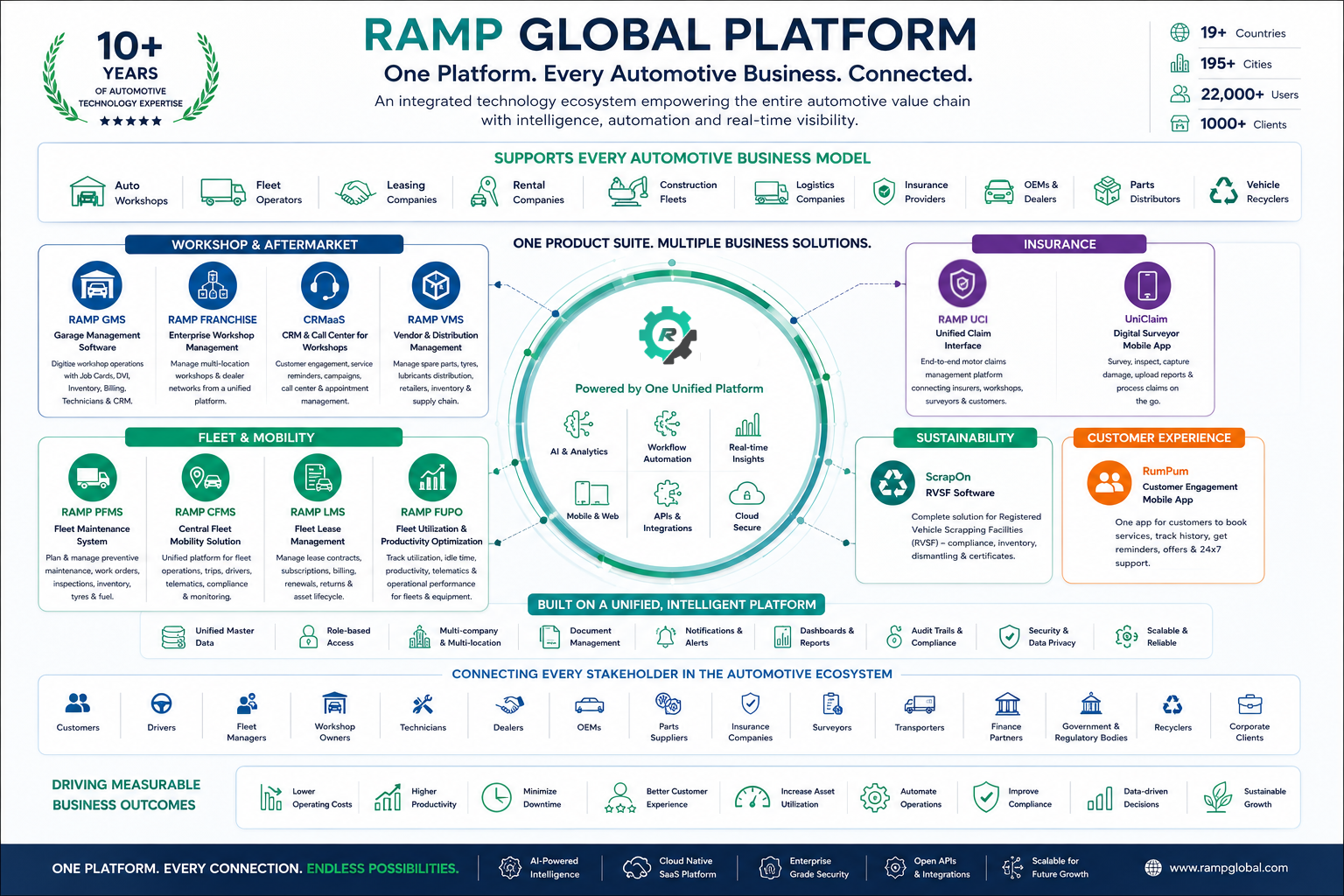
MANAGED FUEL & EQUIPMENT OPERATIONS
Control Fuel.
Improve Equipment Productivity.
Keep Projects Moving.
From fuel planning and supply to controlled dispensing, equipment utilization, maintenance and telematics, RAMP connects the complete fuel and equipment operating chain across projects and sites.
Fuel Is a Business-Critical Operation.
But Control Is Often Fragmented.
Across distributed projects and equipment-intensive operations, fuel moves through suppliers, transport, storage, dispensing points, equipment and multiple operational teams.
When every stage is managed separately, visibility breaks down.
Fuel Availability
Fuel must reach the right site and work front when equipment needs it.
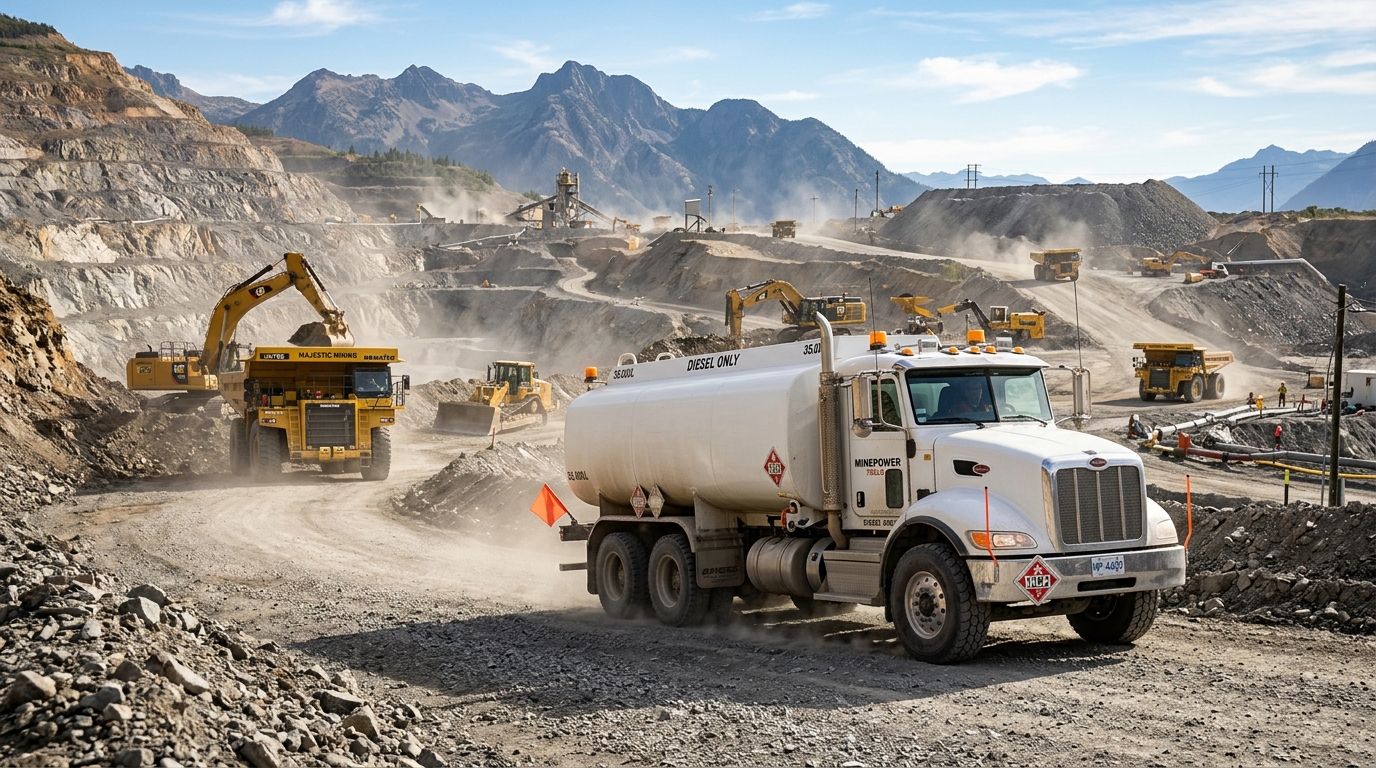
Supply & Storage
Procurement, transportation, storage and stock are often managed across disconnected processes.
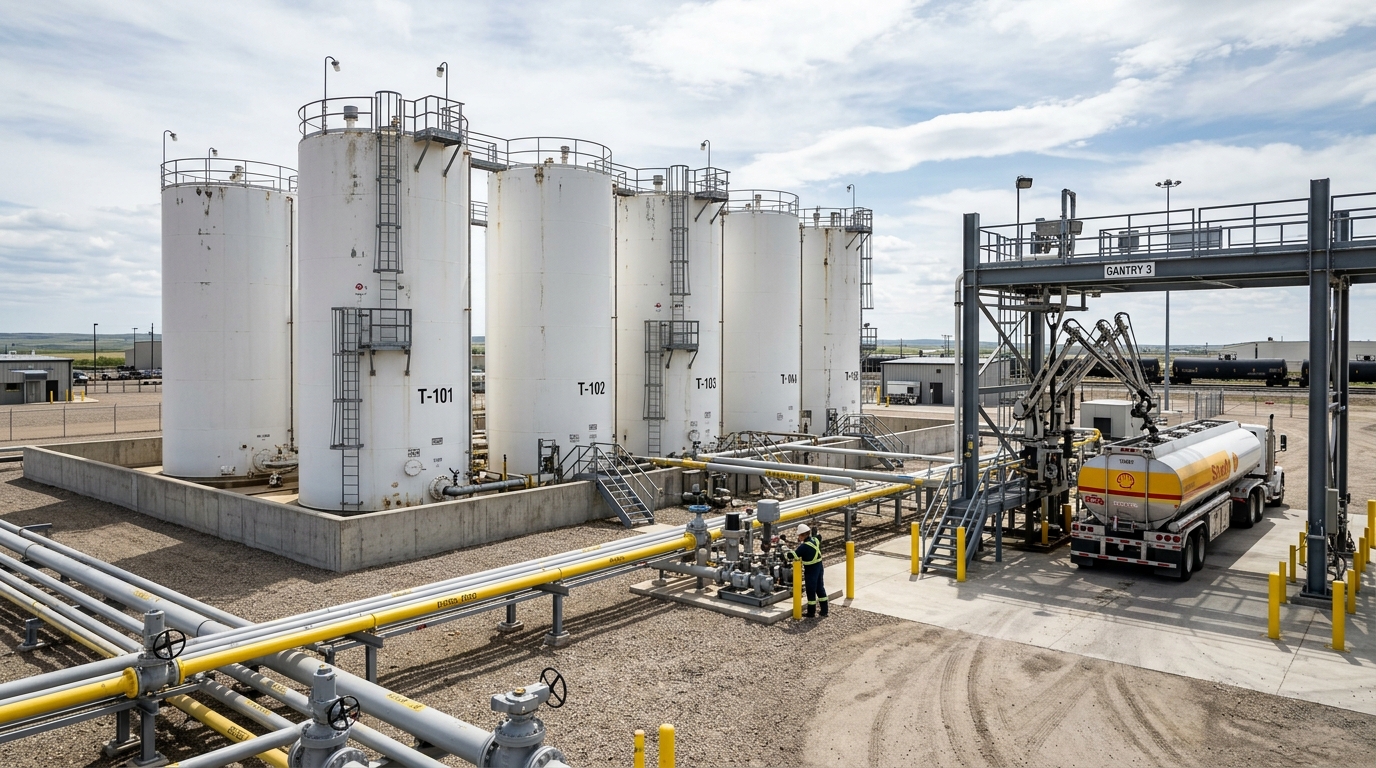
Fuel Security
The business needs confidence that fuel is dispensed only to authorized equipment and within approved quantities.
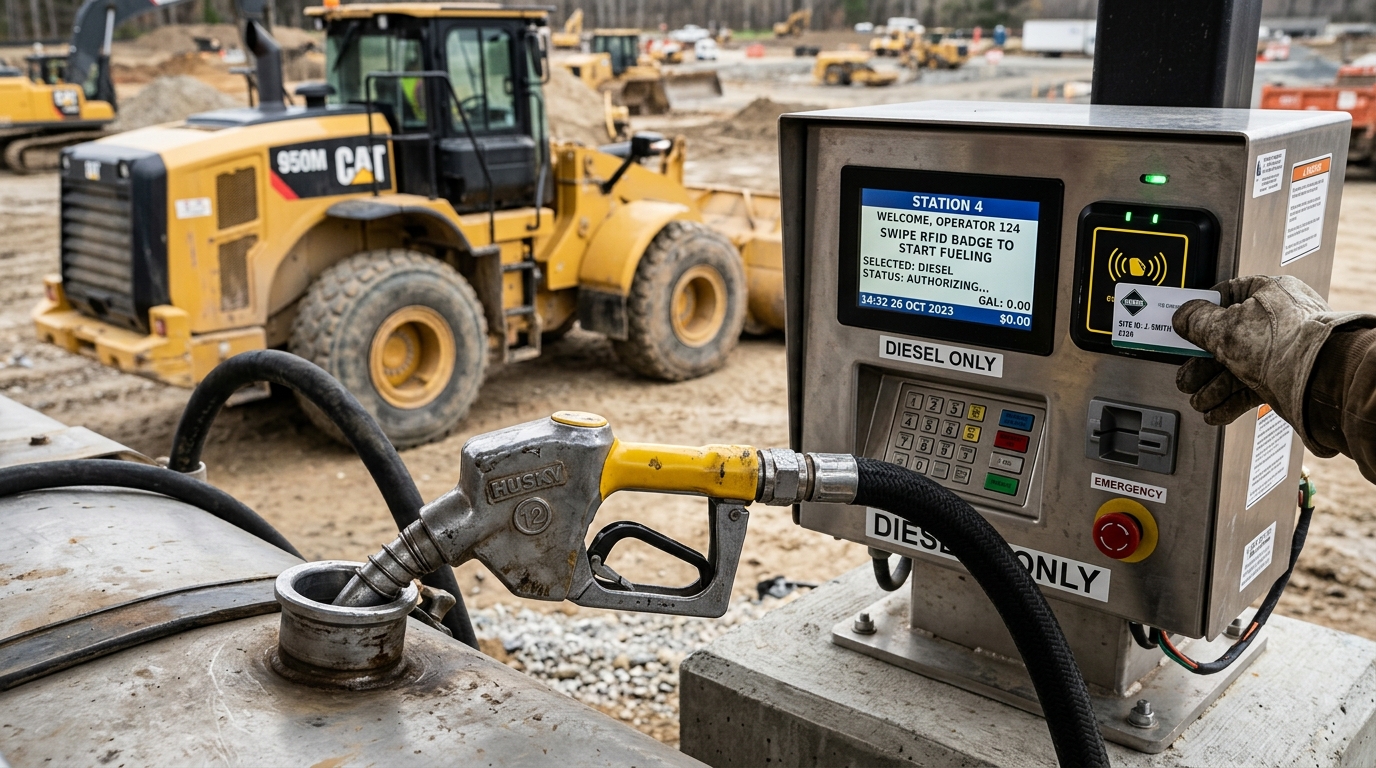
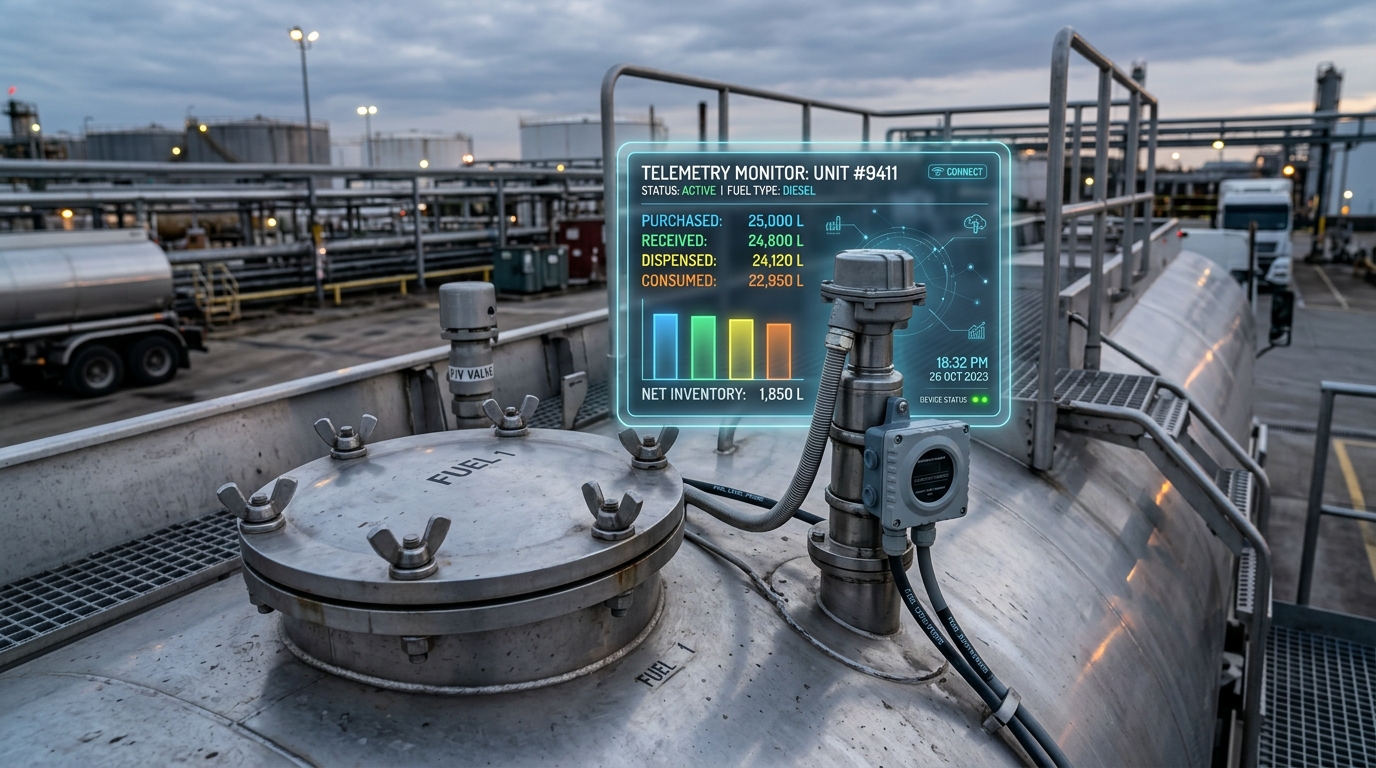
Measurement
Purchased, received, dispensed and consumed quantities can tell different stories.
Equipment Productivity
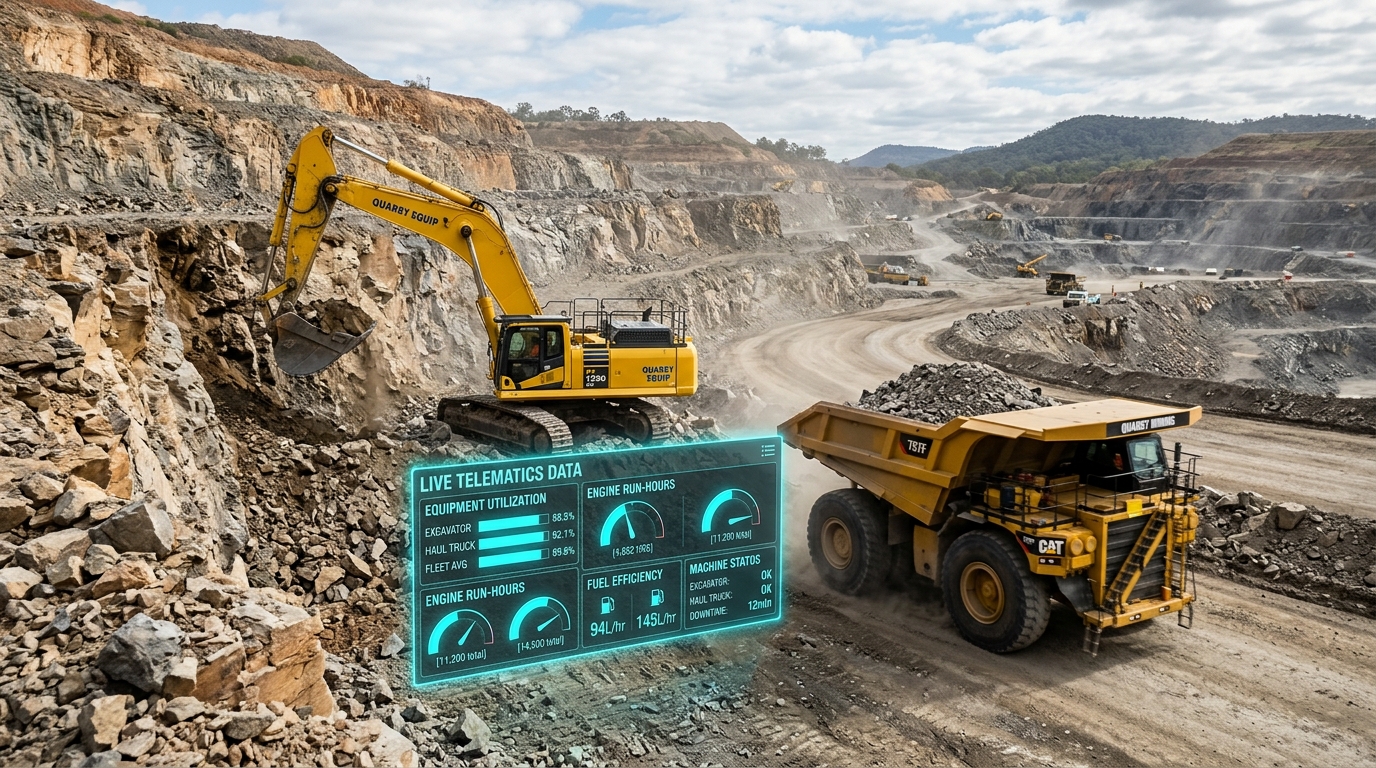
Fuel consumption only becomes meaningful when connected with operating hours, distance and utilization.
Cost & Accountability
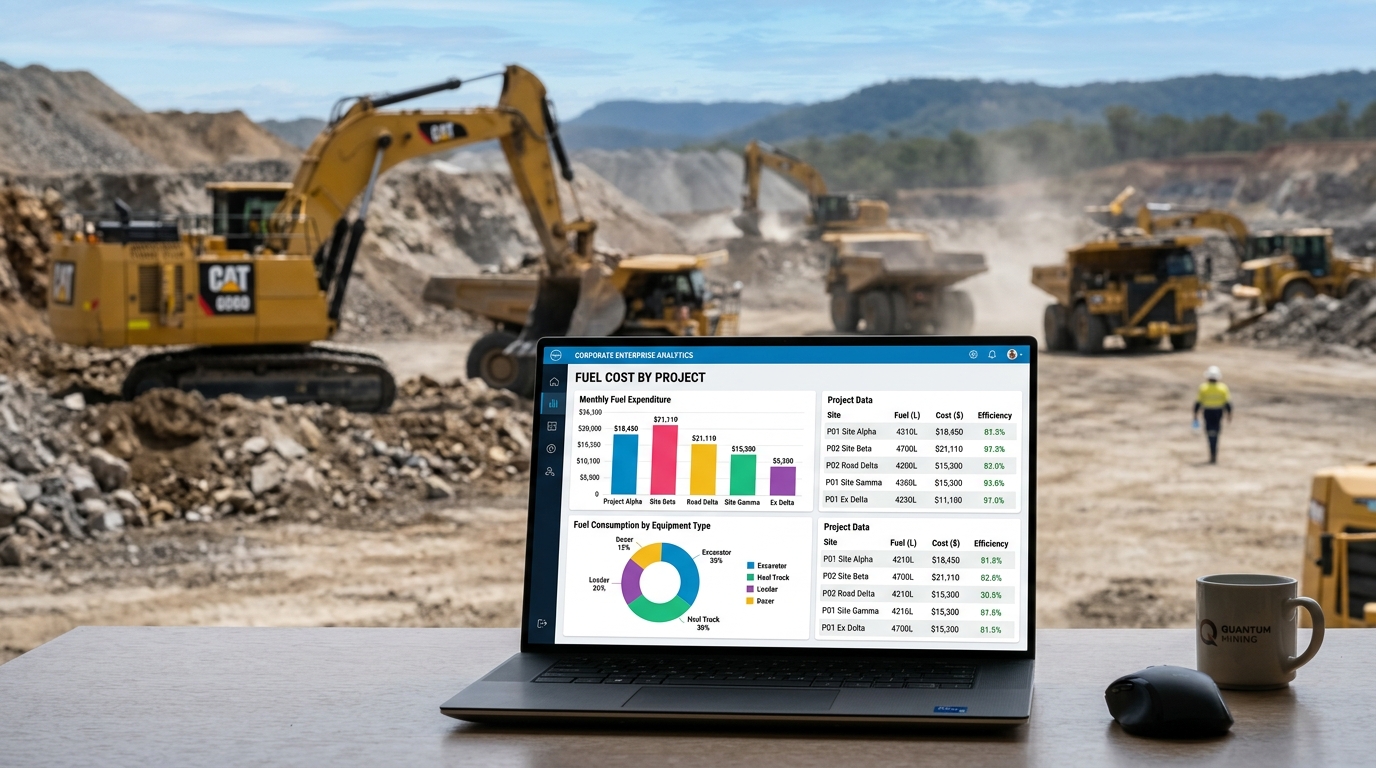
Leadership needs project-, site- and equipment-level visibility instead of consolidated numbers at month end.
One Connected Operating Model
for Fuel & Equipment.
Connect the physical movement of fuel with the digital control of fueling and the operational intelligence of the equipment that consumes it.
Plan
Fuel demand
Project requirement
Budget & forecast

Supply
Source
Procurement
Transport
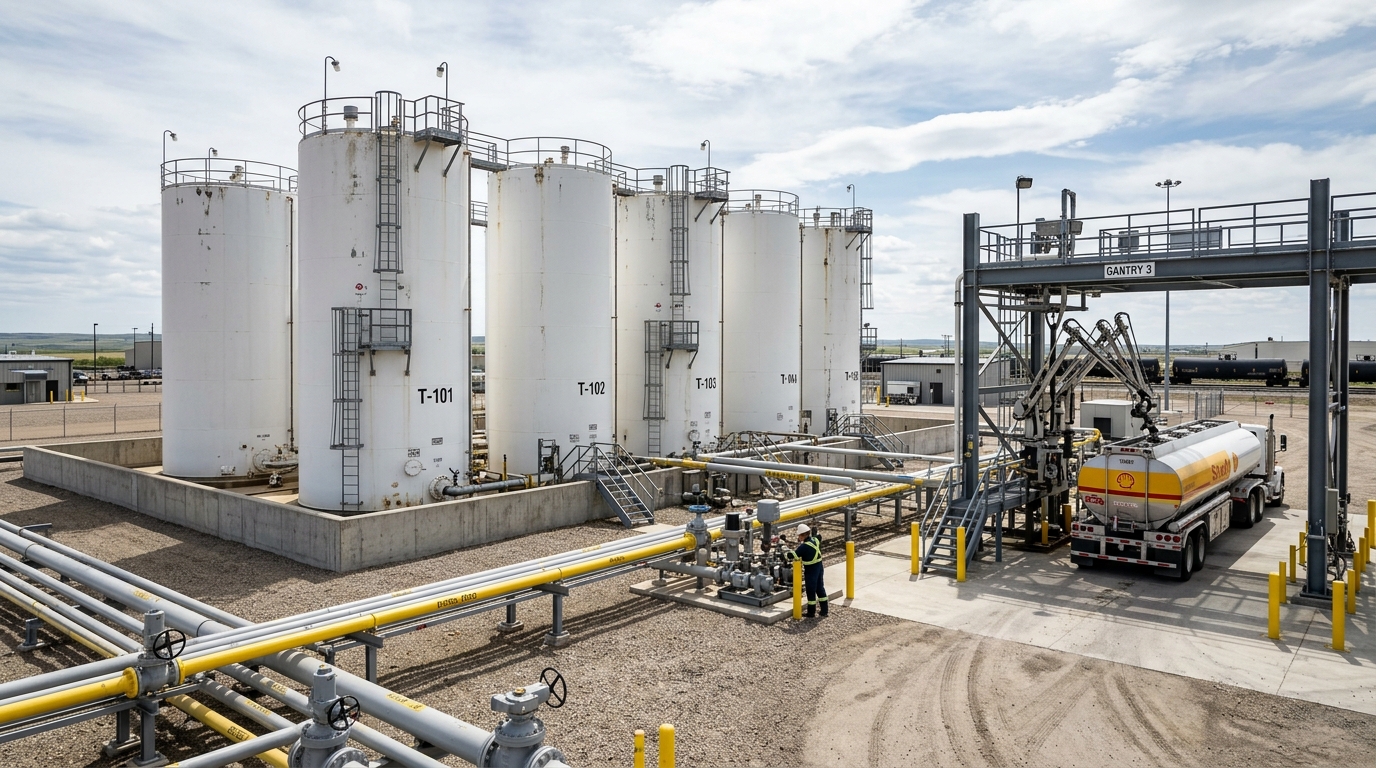
Store
Tank
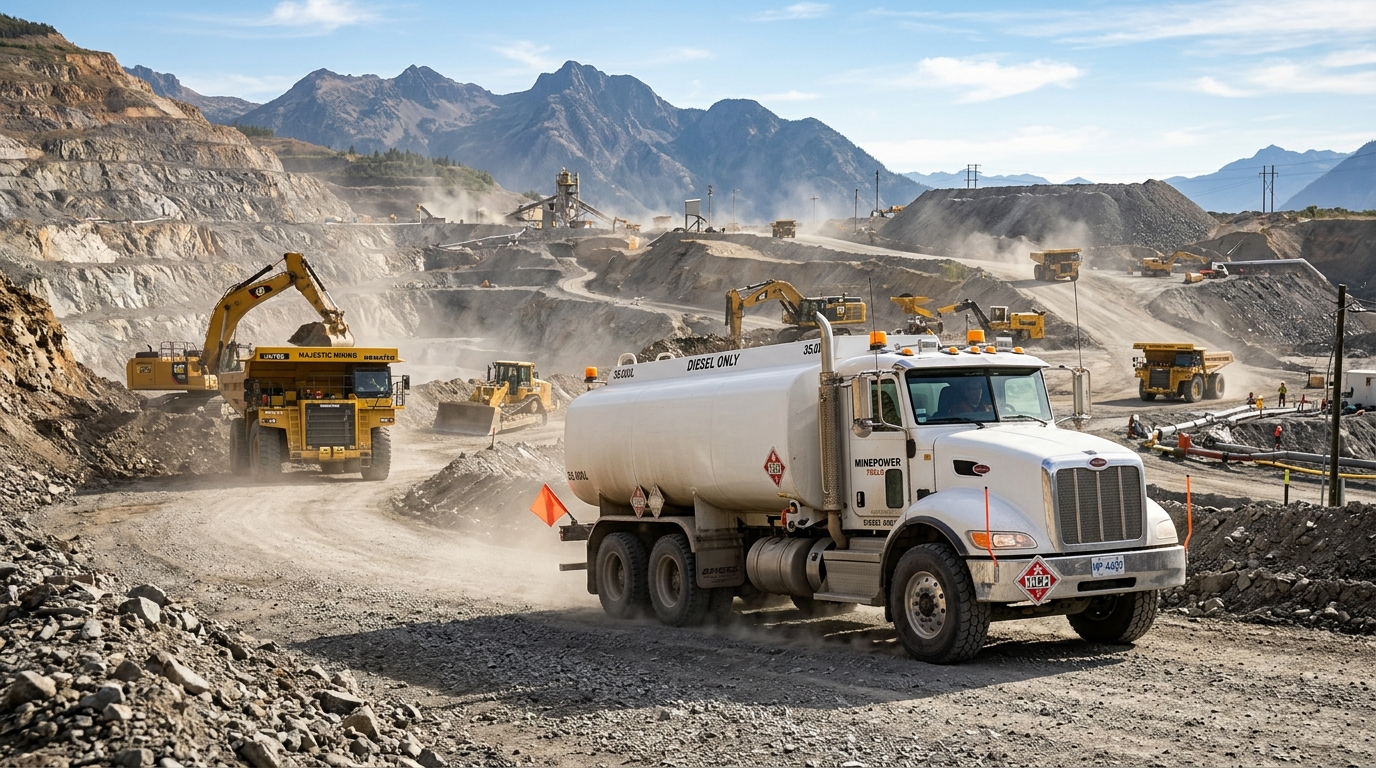
Bowser
Storage & Stock
Control
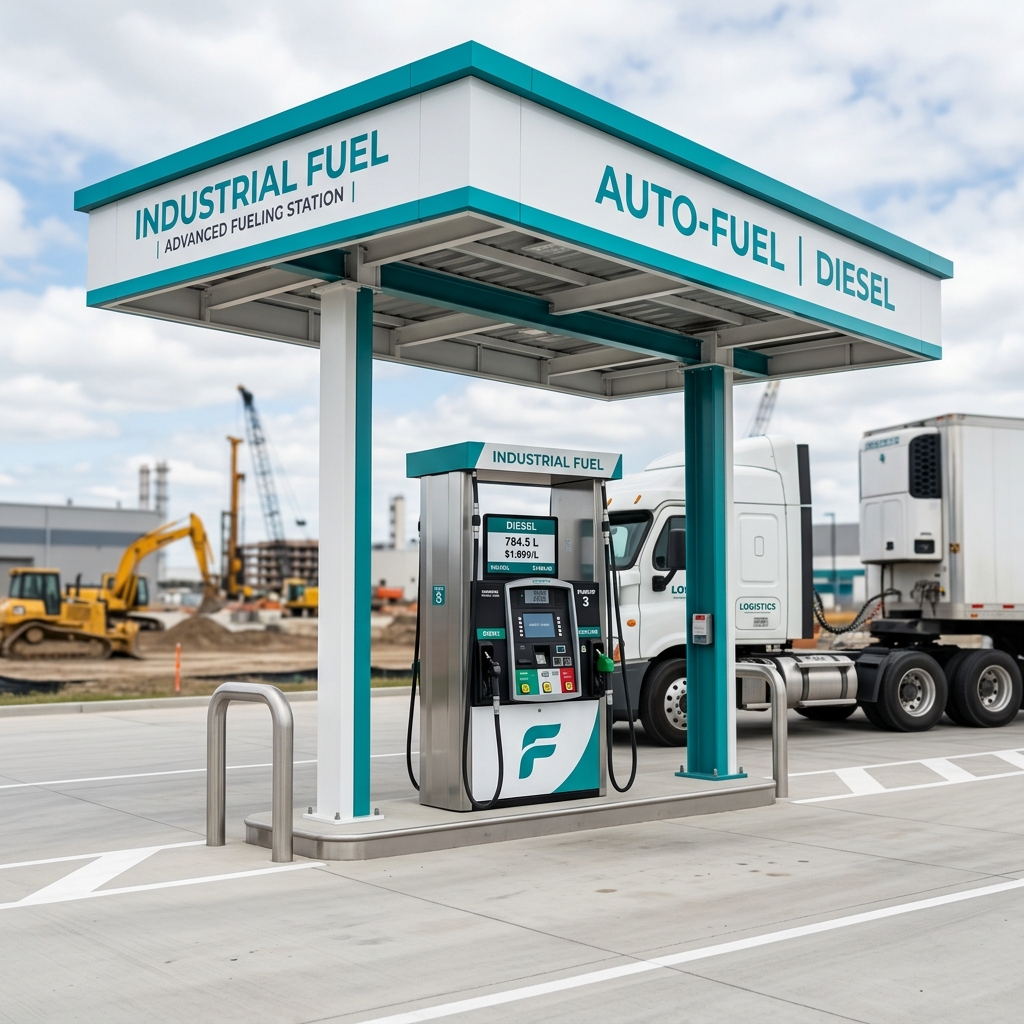
Request
Approval
Secure Fueling
Operate
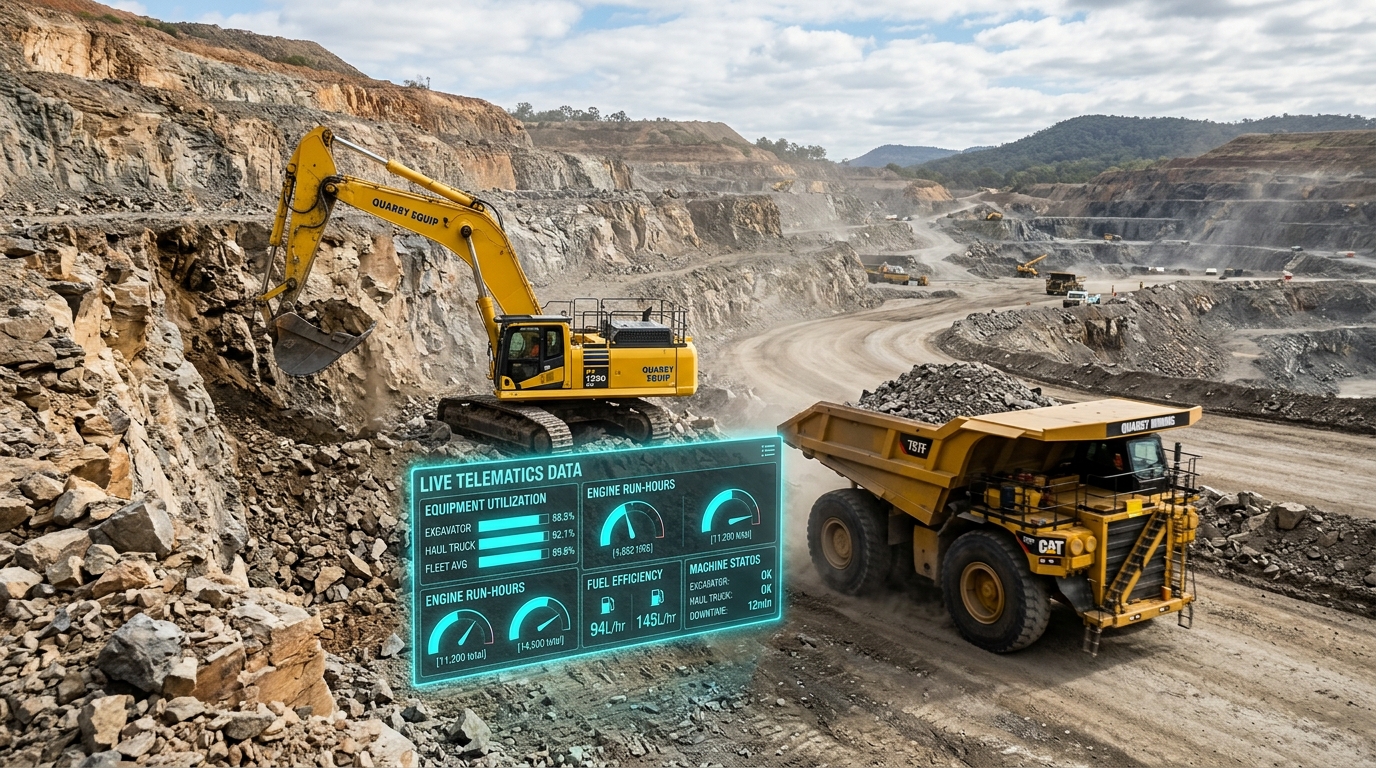
Equipment
Utilization
Productivity
Maintain
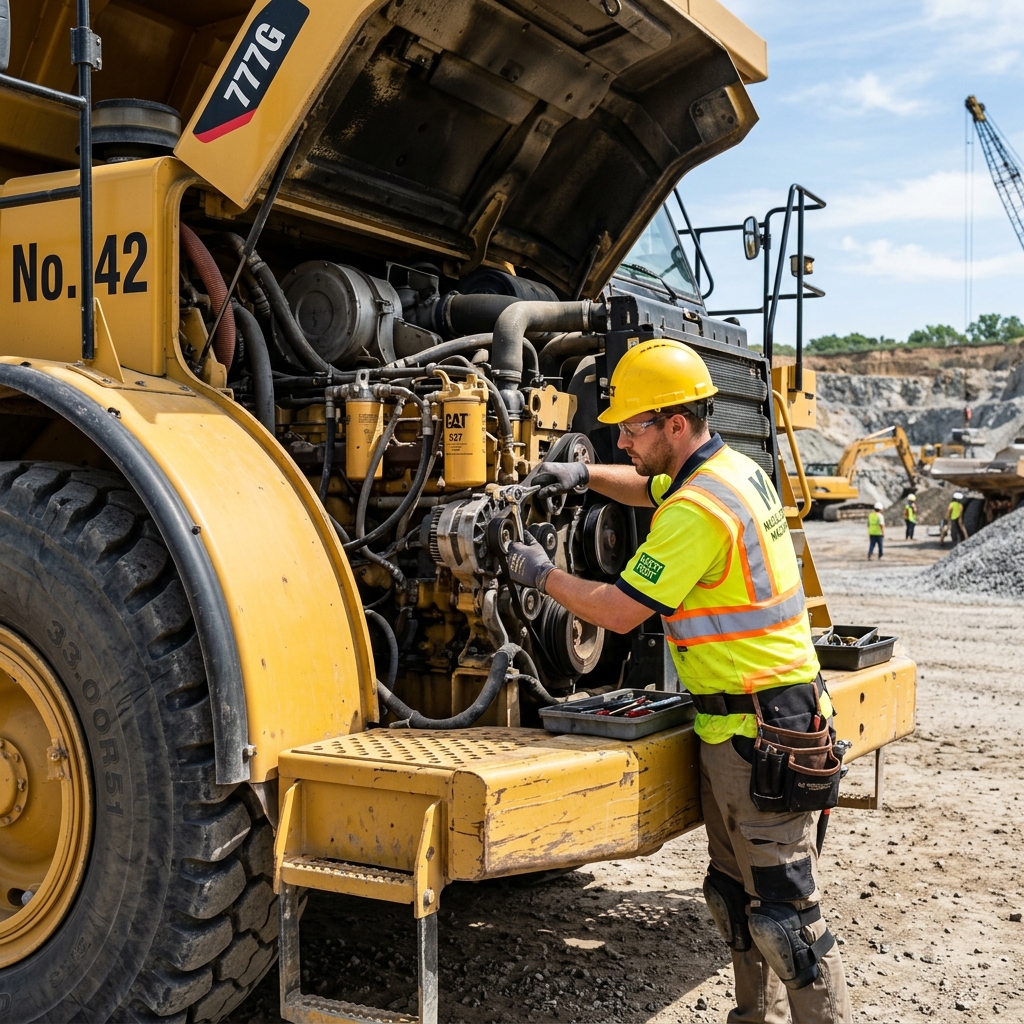
Service
Downtime
Availability
Connect
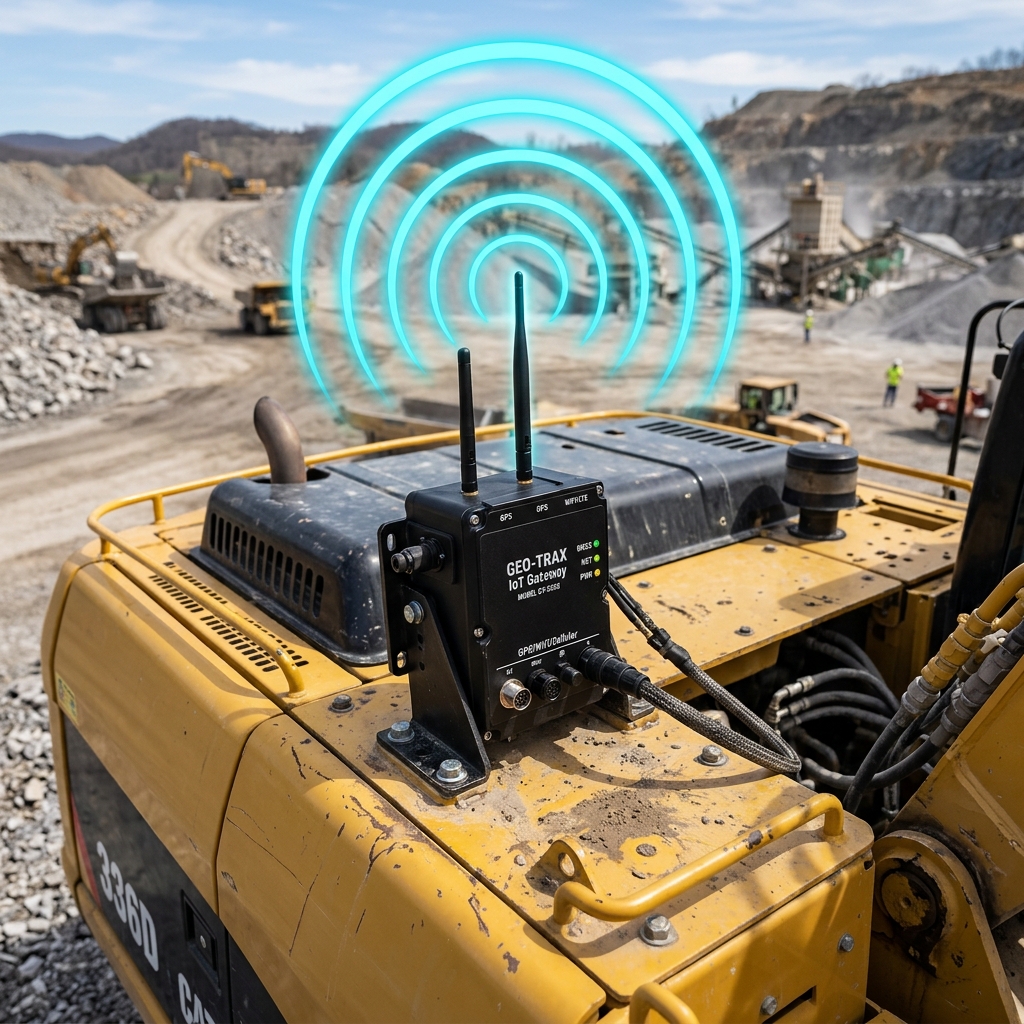
GPS
Sensors
Telematics
Intelligence
Cost & Variance
Consumption
Performance
Manage Fuel From Source to Consumption
Bring fuel planning, supply, logistics, storage, dispensing and reconciliation into one connected operating chain.
Fuel Planning
Capture project demand, consumption requirements, peak requirements and fuel type.
- Project-wise fuel demand
- Consumption forecasting
- Fuel type & volume planning
Fuel Sourcing
Coordinate fuel procurement and supply based on project and site requirements.
- Source and supplier management
- Procurement planning
- Supply coordination
Fuel Logistics
Track fuel movement from source to project or work front.
- Transport & delivery tracking
- Bowser / tanker movement
- On-time delivery visibility
Storage & Stock
Monitor storage levels, stock position and movement across locations.
- Tank and bowser stock visibility
- Multi-location management
- Stock alerts and reporting
Controlled Dispensing
Request, approve and dispense fuel to authorized equipment.
- Digital fuel request and approval
- Equipment authorization
- Secure and controlled dispensing
Reconciliation
Compare fuel movement across procurement, receipt, dispensing, equipment receipt and consumption.
- End-to-end quantity tracking
- Variance analysis and exception alerts
- Direct ERP integration & audit trail
Fuel Infrastructure That Fits the Way You Operate
Every project has a different fuel footprint. RAMP supports operating models across fixed sites, distributed work fronts, mobile operations and mixed infrastructure environments.

Project Operations
One connected fuel infrastructure model across all project environments.
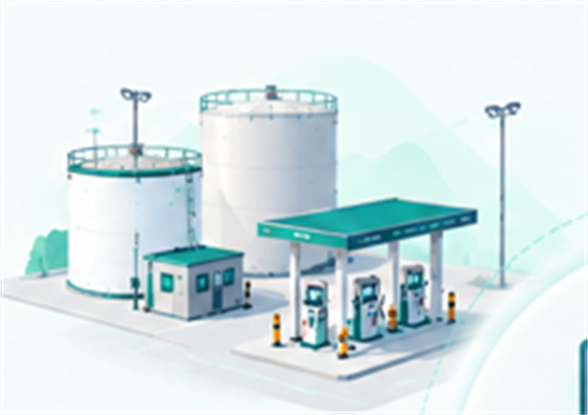
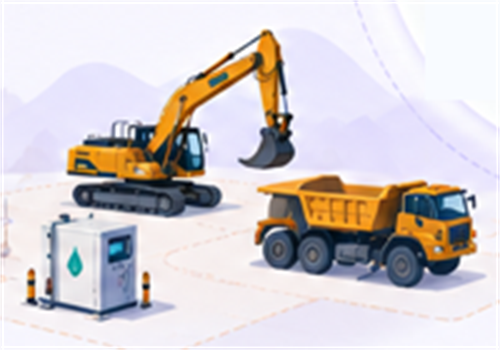
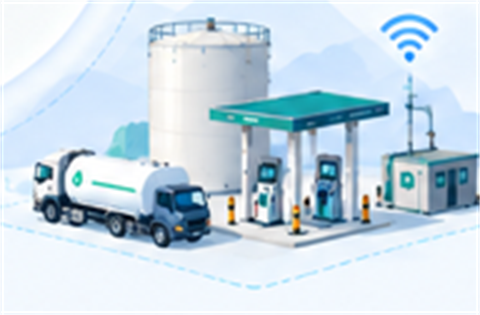
Fixed Project Sites
Centralized storage and controlled dispensing for stable project locations.
- Centralized storage
- Controlled dispensing
- Continuous fuel availability
Moving Work Fronts
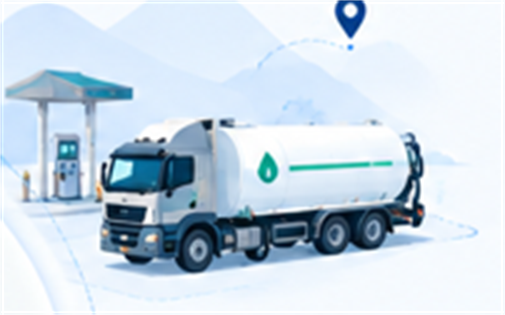
Mobile fueling designed around projects where the point of work changes.
- Mobile fueling units
- Flexible deployment
- Operate closer to work front
Distributed Equipment
Bring fuel closer to machines operating across large or dispersed sites.
- On-site fueling support
- Wide equipment coverage
- Operations across dispersed sites
Mixed Infrastructure
Connect existing tanks, bowsers, stations, dispensers and sensors into the operating model where supported.
- Integrate existing infrastructure
- Multi-source environments
- Flexible to project needs
Flexible Deployment
Adapt to your project needs
Scalable Operations
From single site to multi-project
Use Existing Setup
Connect supported infrastructure
One Connected View
Across all project environments
Fuel the Right Equipment.
With the Right Quantity. Every Time.
Secure Fueling connects business approval, equipment identity and physical dispensing control into one transaction.
Business Control
Request, approval and quantity control based on project and operational requirements.
- Project and site based request
- Approval workflow
- Authorized fuel quantity
Digital Control
Identify and authorize the right equipment for secured fueling.
- Authorized equipment only
- Link to project, operator and site
- Validity and usage control
Physical Control
Secure dispensing through controlled infrastructure and verified fueling process.
- Verify equipment and operator
- Controlled dispensing infrastructure
- Captured quantity and time
Authorized Equipment
Only approved equipment can be fueled.
Approved Quantity
Dispense as per approved limit and project requirement.
Verified Dispensing
Every transaction is captured and verified.
Know Where Every Litre Stands.
Track fuel across every stage from purchase to consumption and reconcile expected vs actual with clear accountability.
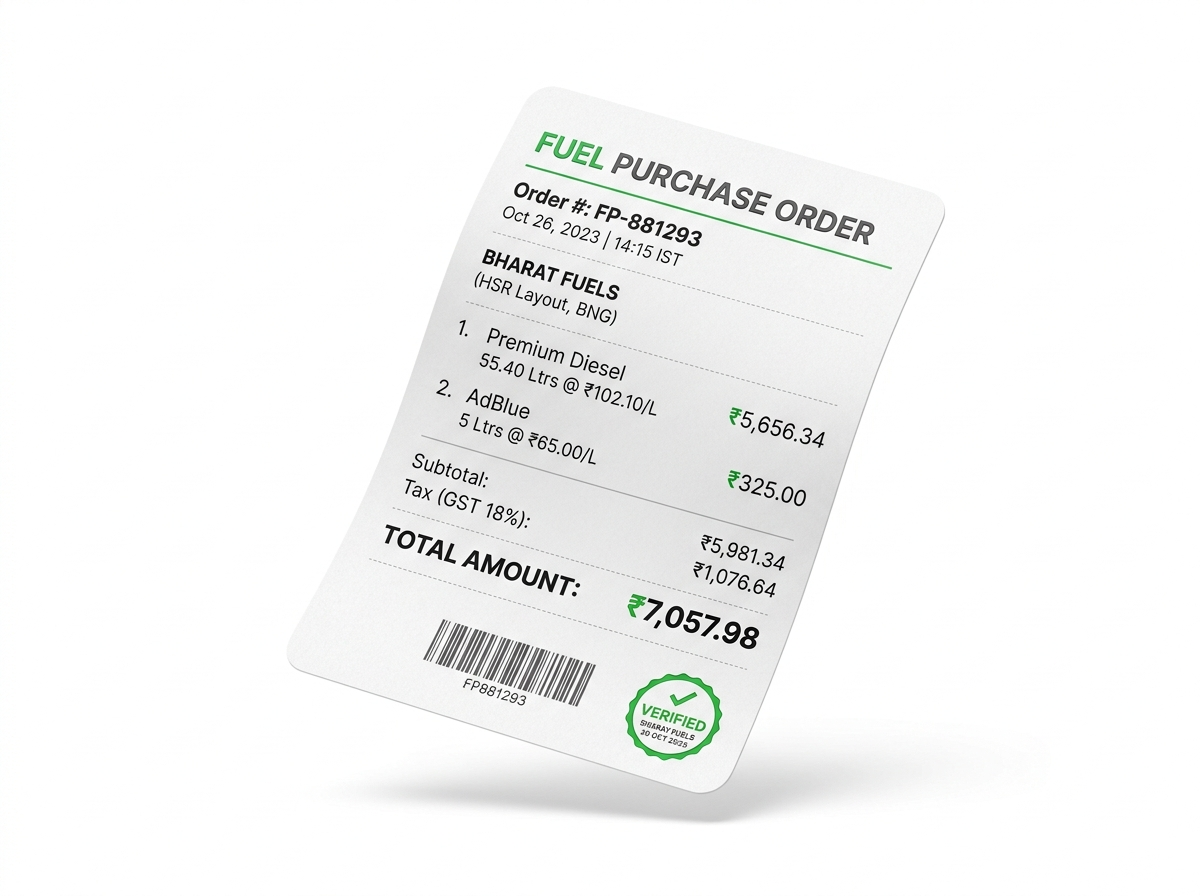
PURCHASED
What was sourced?
RECEIVED
What reached the site?
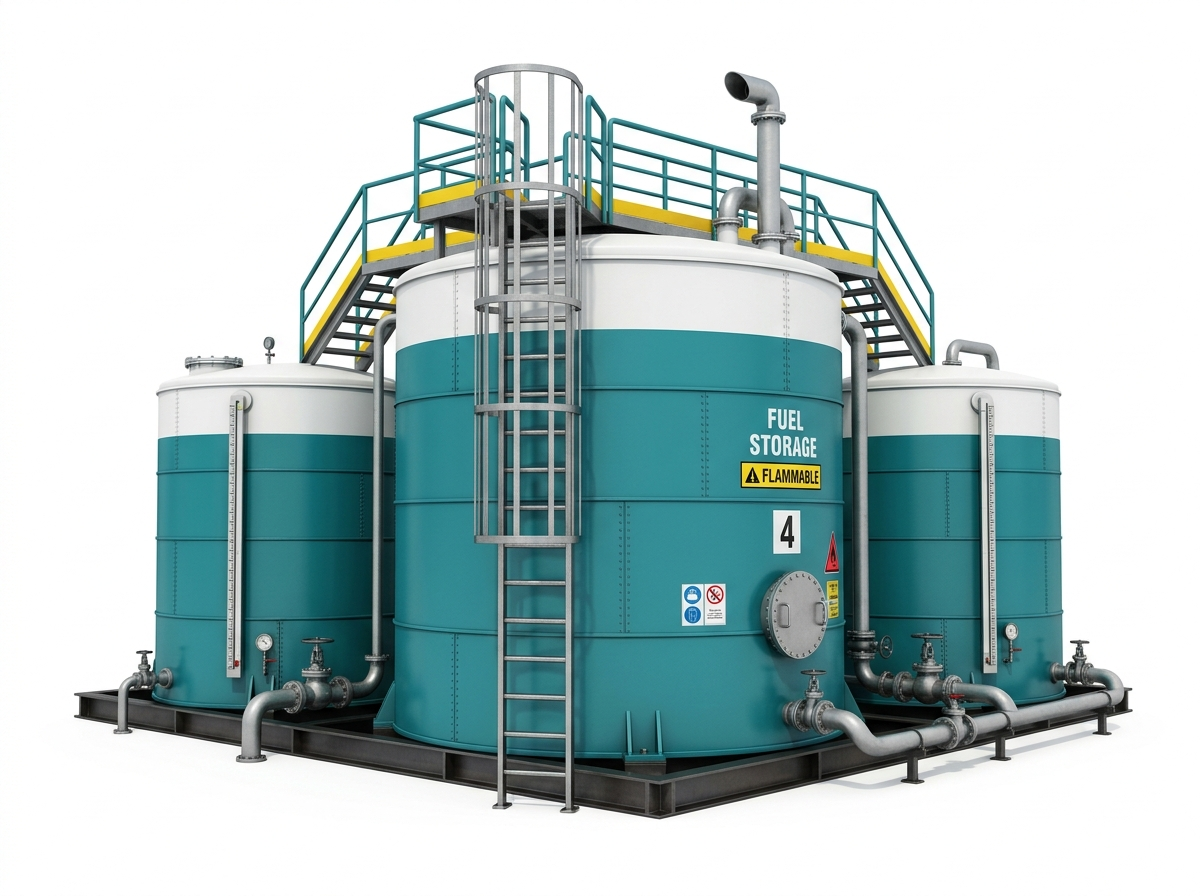
STORED
What entered inventory?
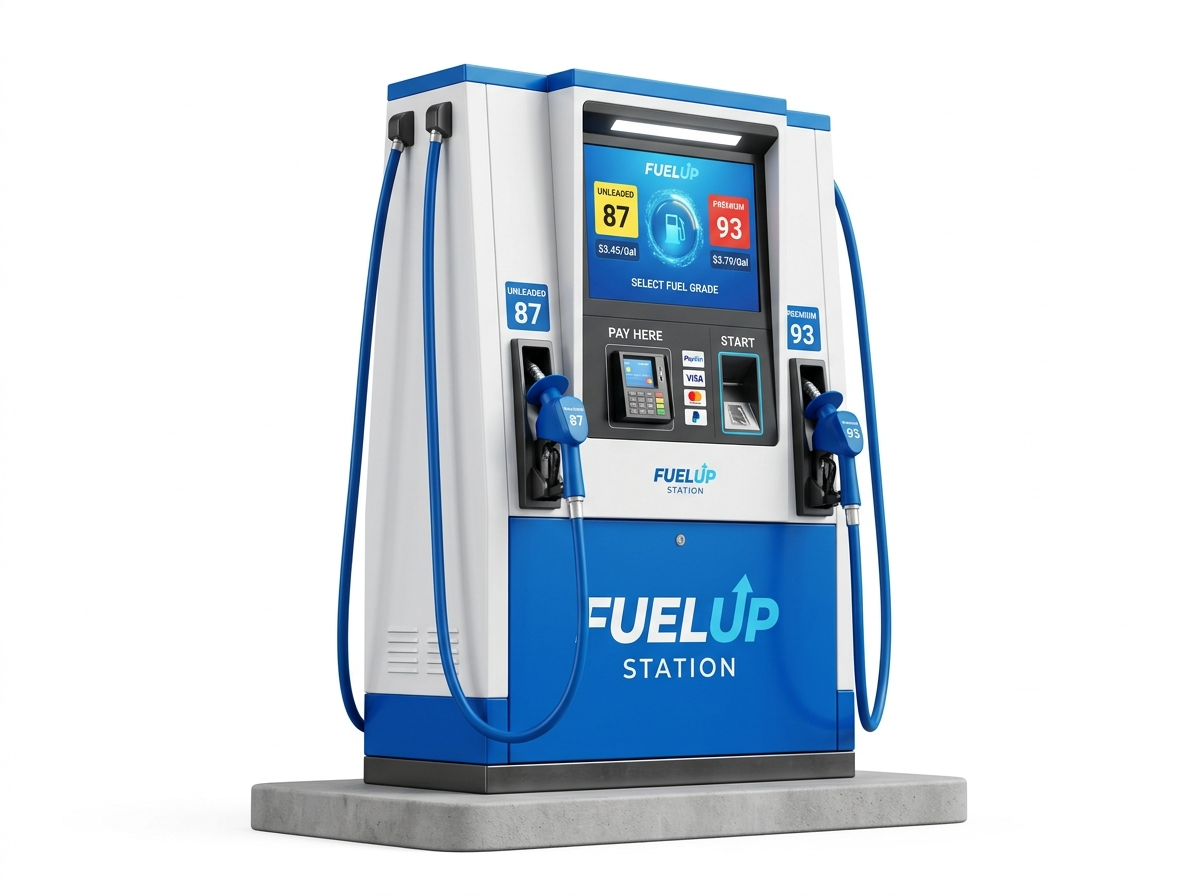
DISPENSED
What did the certified dispenser record?
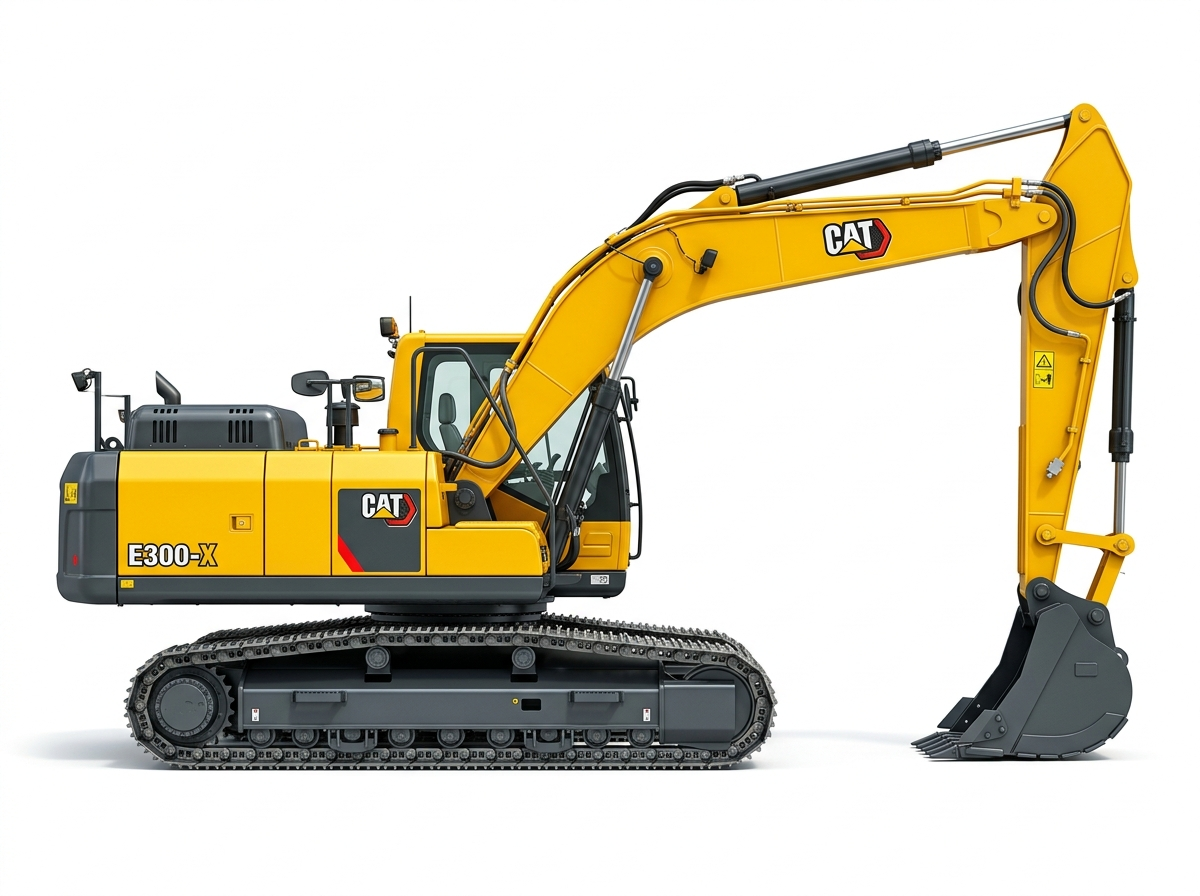
RECEIVED AT EQUIPMENT
What reached the machine?
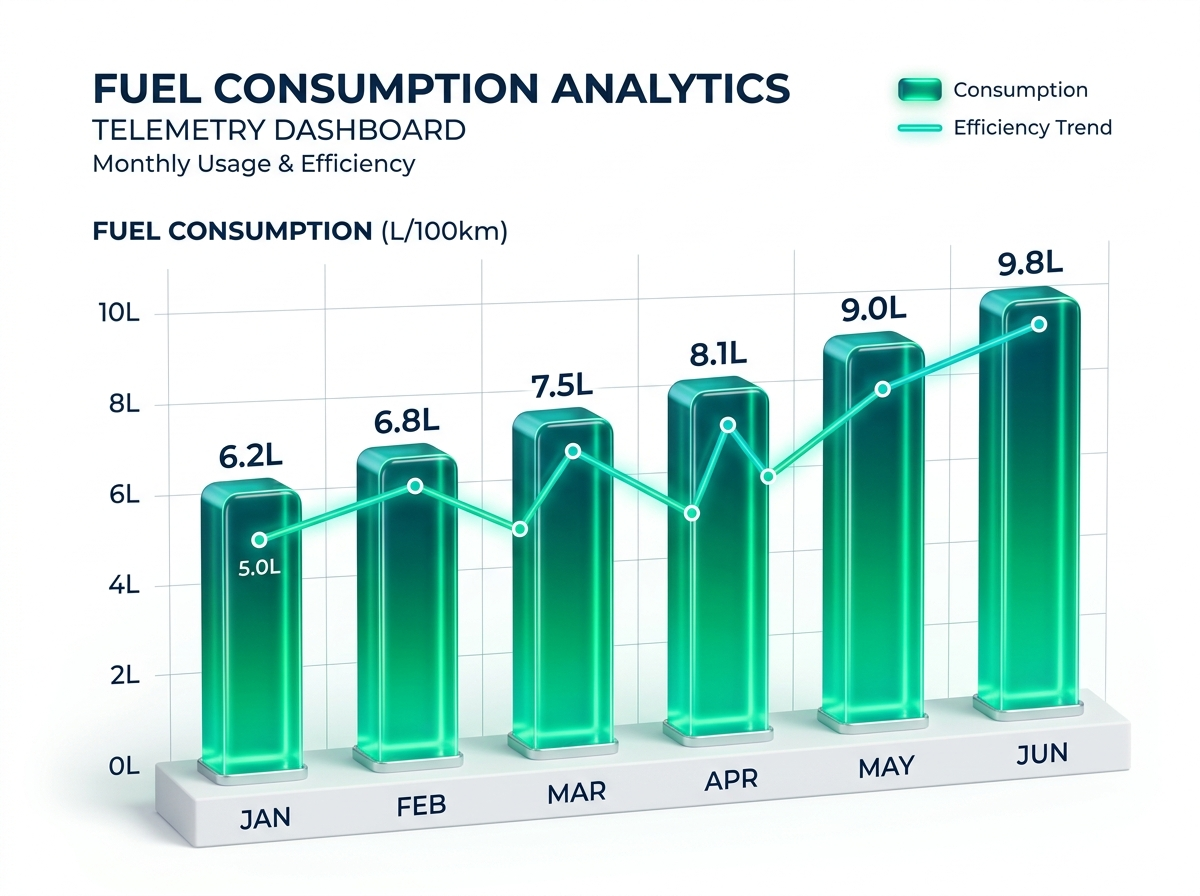
CONSUMED
How did the equipment use it?
RECONCILIATION ENGINE
Expected vs Actual
Expected vs Actual
Compare quantities at each stage
Variance
Identify and highlight differences
Exception
Flag exceptions for review
Owner
Assign to responsible team or individual
Action
Track and close action items
Fuel Intelligence Becomes Equipment Intelligence.
Fuel consumption becomes more valuable when connected with the equipment that consumes it. RAMP correlates fueling with operating hours, distance, utilization, location and equipment performance.
Equipment Operations
Manage your equipment across projects and sites.
- Equipment master
- Owned / hired equipment
- Allocation
- Operating hours
- Utilization
- Productivity
Maintenance & Availability
Keep equipment available and productive.
- Maintenance planning
- Service activity
- Downtime
- Equipment availability
- Maintenance cost
- Asset lifecycle
Equipment Performance
Turn data into insights for better decisions.
- Fuel/hour
- Fuel/km
- Utilization
- Idle time
- Abnormal consumption
- Project-wise cost
Better
Utilization
Lower
Operating Cost
Reduced
Downtime
Higher
Productivity
Connect the Data Behind
Every Fuel Transaction.
Bring together multiple data sources to get a complete and accurate view of equipment, fueling and operations.
GPS
Location & movement
HMR / KMR
Operating and distance readings
Engine Data
Running hours & activity
Fuel Sensors
Equipment-level fuel receipt
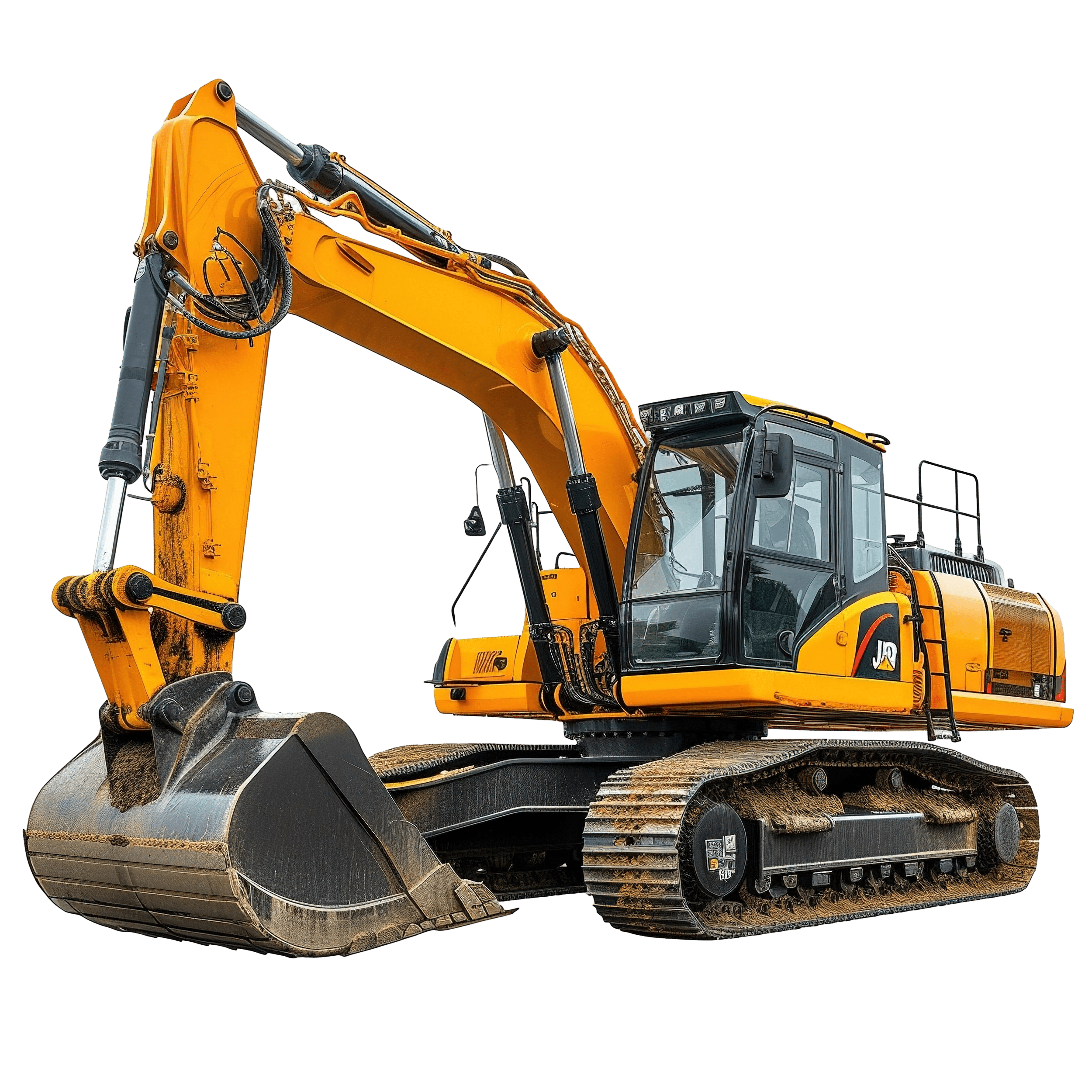
Equipment
A connected machine
Tank Sensors
Storage-level stock
Equipment Identification
Authorized machine identity
Operator / Driver
Engagement & accountability
Fueling Controller
Dispensing events & authorization
RAMP Intelligence Layer
Unify, validate and correlate data from multiple sources.
Accurate Consumption
Validated fuel data across sources
Better Utilization
Real operating insights
Improved Control
Authorized equipment and dispensing
Lower Operating Cost
Actionable intelligence for decisions
One Fuel Operation.
Every Level of Visibility.
The same captured transaction delivers the right view, insights and actions for every role, from leadership to the ground team.
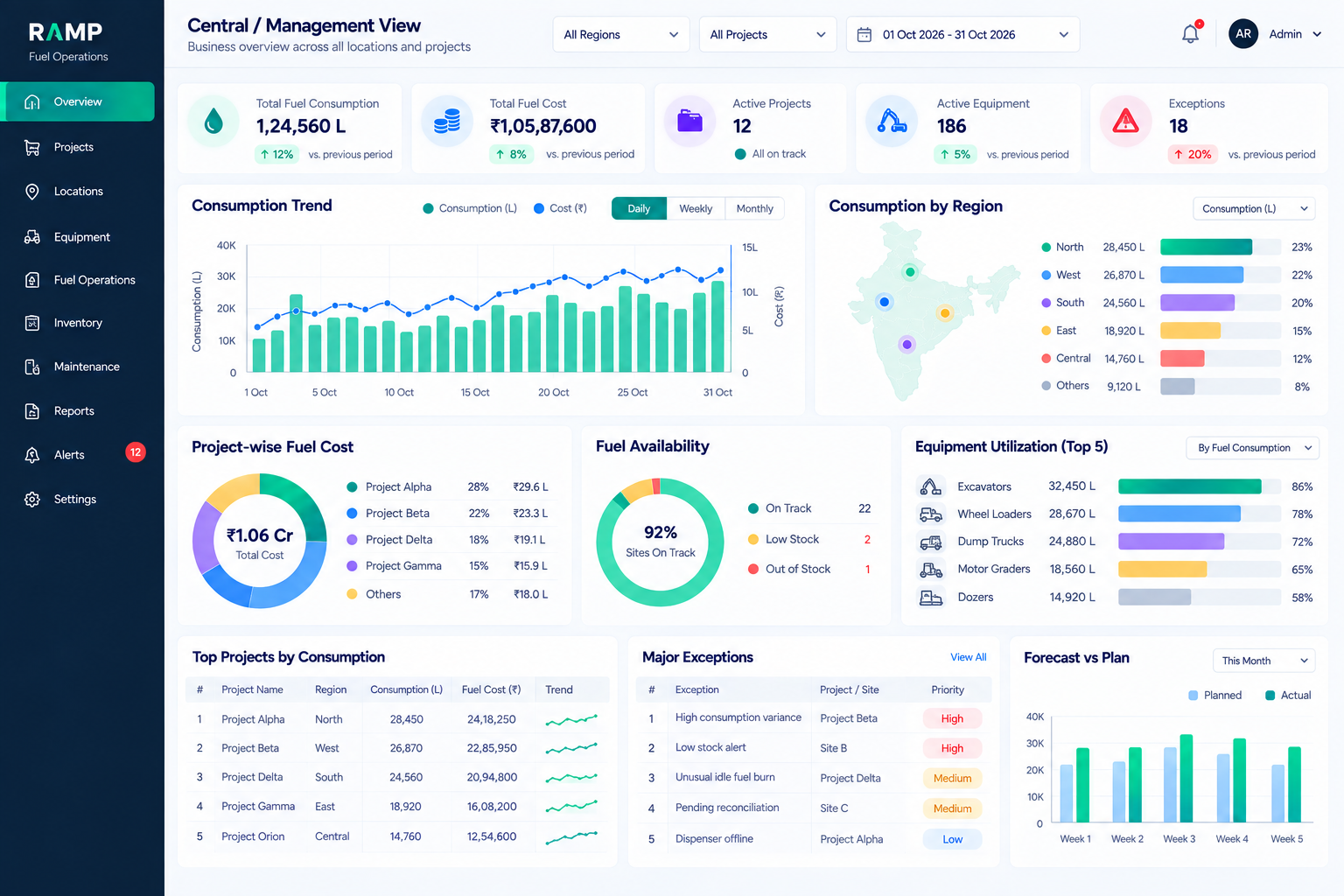
What Leadership Sees
- Total fuel consumption
- Total fuel cost
- Project-wise cost
- Regional performance
- Fuel availability
- Major exceptions
- Consumption trends
- Forecast vs plan
Where is the business performing, and where do I need to intervene?
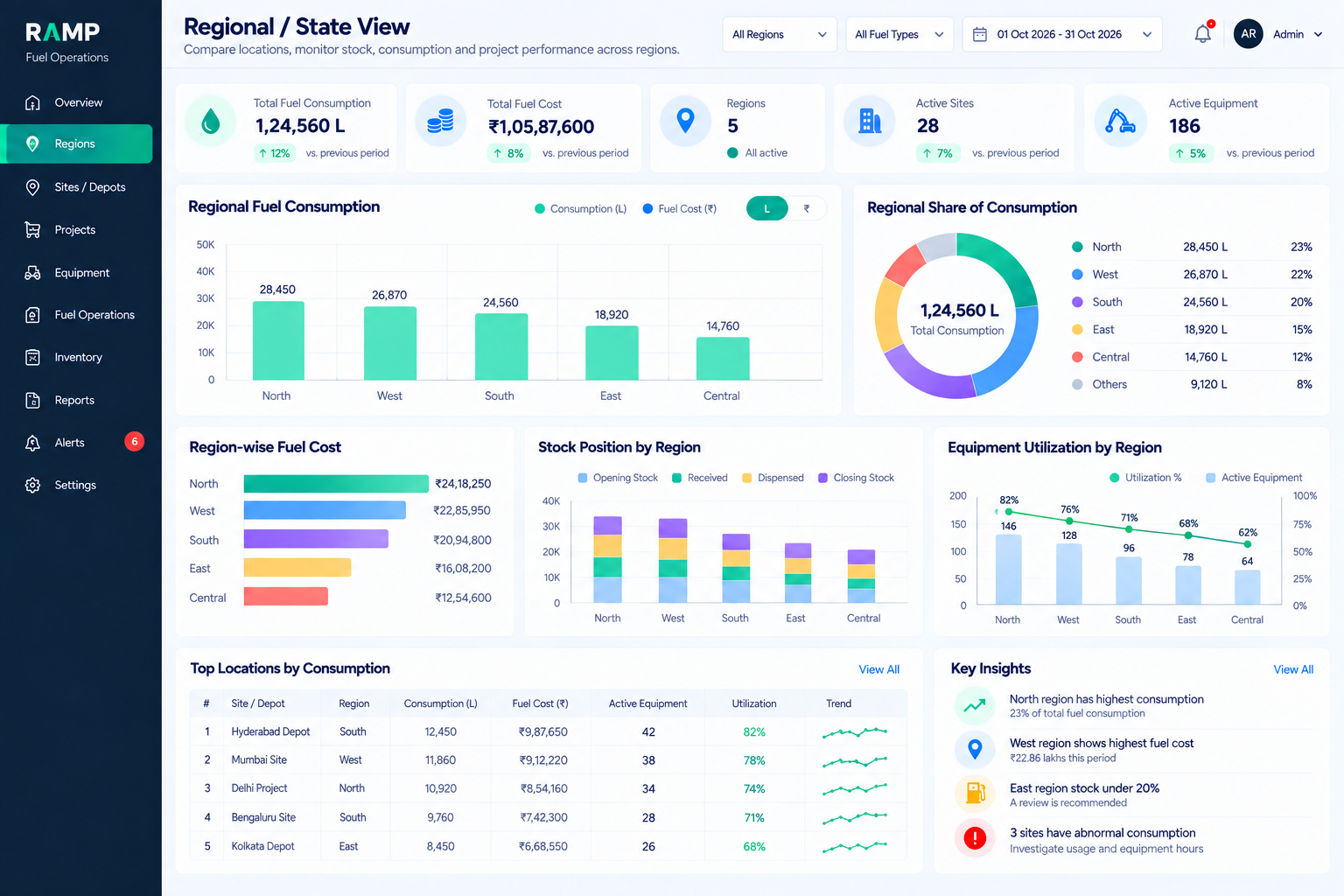
What Regional Leadership Sees
- Depot/site comparison
- Stock position
- Consumption
- Project performance
- Exceptions
- Supply requirements
- Equipment utilization
Which location needs attention?
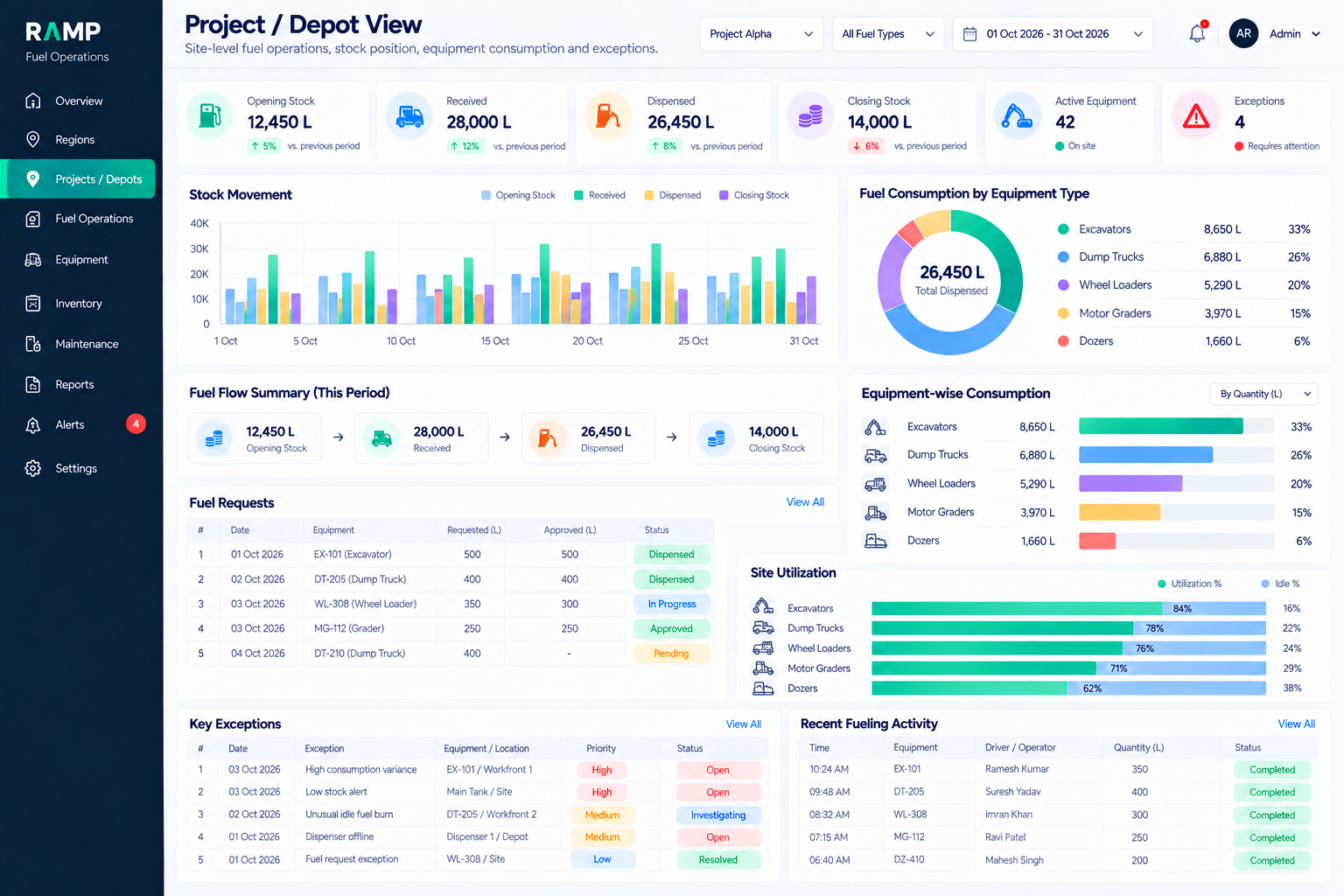
What Operational Management Sees
- Opening stock
- Received
- Dispensed
- Closing stock
- Variance
- Equipment consumption
- Fuel requests
- Exceptions
- Utilization
What is happening at my site today?
Turn Fuel Data Into Business Decisions.
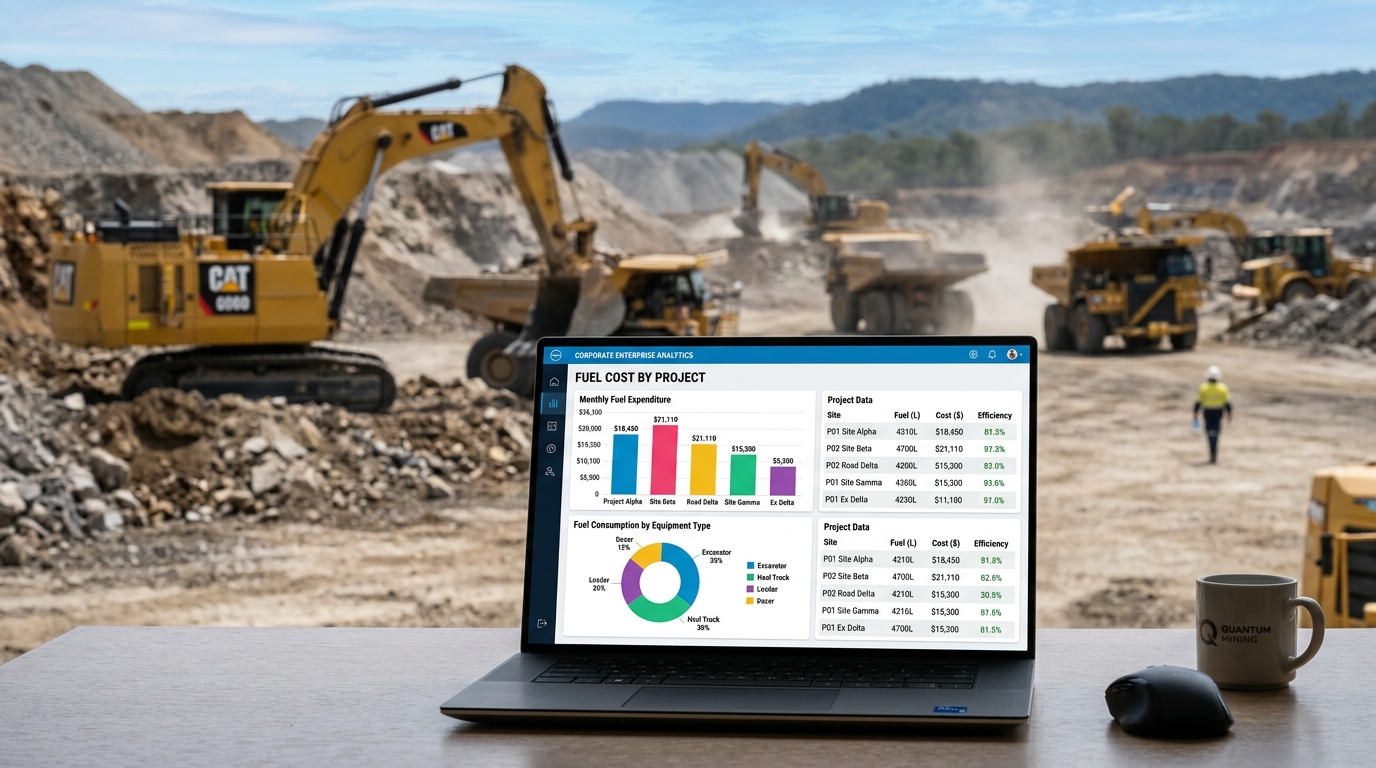
From knowing how much fuel was consumed to understanding why it was consumed, where it was consumed and what action it requires.
Fuel Intelligence
Consumption | Cost | Stock | Variance
1,24,560 L
Consumption
₹1.06 Cr
Fuel Cost
28,000 L
Stock
4.8%
Variance
Equipment Intelligence
Fuel/hour | Fuel/km | Utilization | Idle
6.8 L/hr
Fuel / Hour
1.2 L/km
Fuel / Km
78%
Utilization
12%
Idle Time
Project Intelligence
Budget | Actual | Forecast | Site Cost
₹3.2 Cr
Budget
₹2.6 Cr
Actual
₹3.4 Cr
Forecast
₹18.6 L
Site Cost
Operational Intelligence
Exceptions | Supply | Availability | Performance
12
Active Exceptions
85%
Supply On-Time
92%
Equipment Availability
18%
Performance Gap
What Changes When Fuel Operations Are Connected.
From multiple registers and spreadsheets to a single, integrated system across depots, states, central management and analytics.
Better
Fuel Availability
Plan and supply fuel around operational demand.
Greater
Fuel Control
Control equipment authorization, quantity and dispensing.
Trusted
Measurement
Create a traceable chain from supply to consumption.
Lower
Administrative Dependency
Reduce manual registers, duplicate entry and spreadsheet consolidation.
Better Equipment
Productivity
Connect fuel consumption with equipment utilization and performance.
Stronger
Operational Accountability
Give every level of the organization the visibility it needs to act.
Everything You Need to Know
About Fuel Management & Operations
Find clear answers to common questions about our fuel operating model, infrastructure compatibility, reconciliation, and enterprise integration.
01. What does RAMP's Fuel Management Solution cover?
RAMP connects the fuel operation from planning and supply through transportation, site receipt, storage, controlled dispensing, reconciliation and consumption intelligence. It can also connect fuel data with equipment utilization, operating hours, location, maintenance and telematics to give organizations a complete view of fuel and equipment operations across projects and sites.
02. Can RAMP manage fuel supply as well as the digital fuel operation?
Yes. The solution is designed around a managed fuel operating model rather than software-only fuel tracking. Fuel sourcing, supply, logistics, storage and dispensing can be incorporated into the operating model, while RAMP provides the digital control, transaction visibility, reconciliation and equipment intelligence layer.
03. Can the solution work with our existing fuel infrastructure?
The solution can be designed around existing tanks, bowsers, dispensers, meters, sensors and other compatible infrastructure where practical. Existing infrastructure should first be assessed for compatibility, condition and calibration before being connected to the operating model.
04. How does RAMP ensure that fuel reaches the right equipment?
Secure Fueling connects the fuel request and approval process with equipment identification and physical dispensing controls. The transaction can validate the authorized equipment, approved quantity and fueling point before dispensing, while the actual dispensed quantity is captured from the certified dispensing point rather than manually entered by an operator.
05. How is fuel consumption reconciled across the operation?
RAMP can maintain separate measurement points across the fuel chain:
Purchased → Received → Stored → Dispensed → Received at Equipment → Consumed
The reconciliation layer compares these records, identifies variances and routes exceptions for investigation and ownership instead of leaving teams to manually consolidate registers and spreadsheets.
06. Can fuel consumption be linked to equipment utilization and productivity?
Yes. Fuel transactions can be correlated with equipment data such as operating hours, distance, location and utilization where the required data is available. This enables metrics such as fuel per operating hour, fuel per kilometre, utilization, idle time and abnormal consumption at equipment or project level.
07. Can the solution support both fixed sites and moving projects?
Yes. The operating model can be configured around the project's fuel footprint, including fixed project sites, distributed work fronts, mobile fueling and mixed infrastructure environments. A project study can consider factors such as geography, duration, work zones, equipment distribution, fuel demand and existing infrastructure before determining the appropriate operating model.
08. Can RAMP integrate with SAP or existing enterprise systems?
The solution can be designed to integrate with existing enterprise systems such as SAP/ERP for relevant fuel requests, operational transactions, billing and reporting workflows. The exact integration responsibilities and data flows should be defined according to the customer's existing system architecture and process ownership.
Bring Your Fuel Operation Under Control.
Whether you manage fixed sites, moving projects or distributed equipment, RAMP can help you design a connected fuel and equipment operating model around your operational reality.
One Connected Operating Model. Zero Fuel Blind Spots.